Natural Components for Men

Curated Content on Vitality, Energy, and Well-being After 40

Understanding Male Vitality

Vitality—characterized by energy, resilience, mental clarity, and physical capability—represents a fundamental aspect of men's wellness. Supporting vitality through the middle years and beyond involves understanding how natural components and lifestyle practices work together to maintain and enhance these qualities.

After 40, many men experience shifts in energy patterns, recovery capacity, and physical composition. These changes are normal aspects of aging and are influenced by genetics, lifestyle practices, and personal choices. Understanding these changes enables informed decision-making about how to support continued vitality through natural approaches.

Male vitality integrates multiple dimensions: physical capacity and strength, sexual and reproductive health, mental clarity and cognitive function, emotional resilience, and overall life satisfaction. A comprehensive approach addresses these interconnected dimensions through integrated lifestyle practices.

Essential Nutrients for Male Wellness
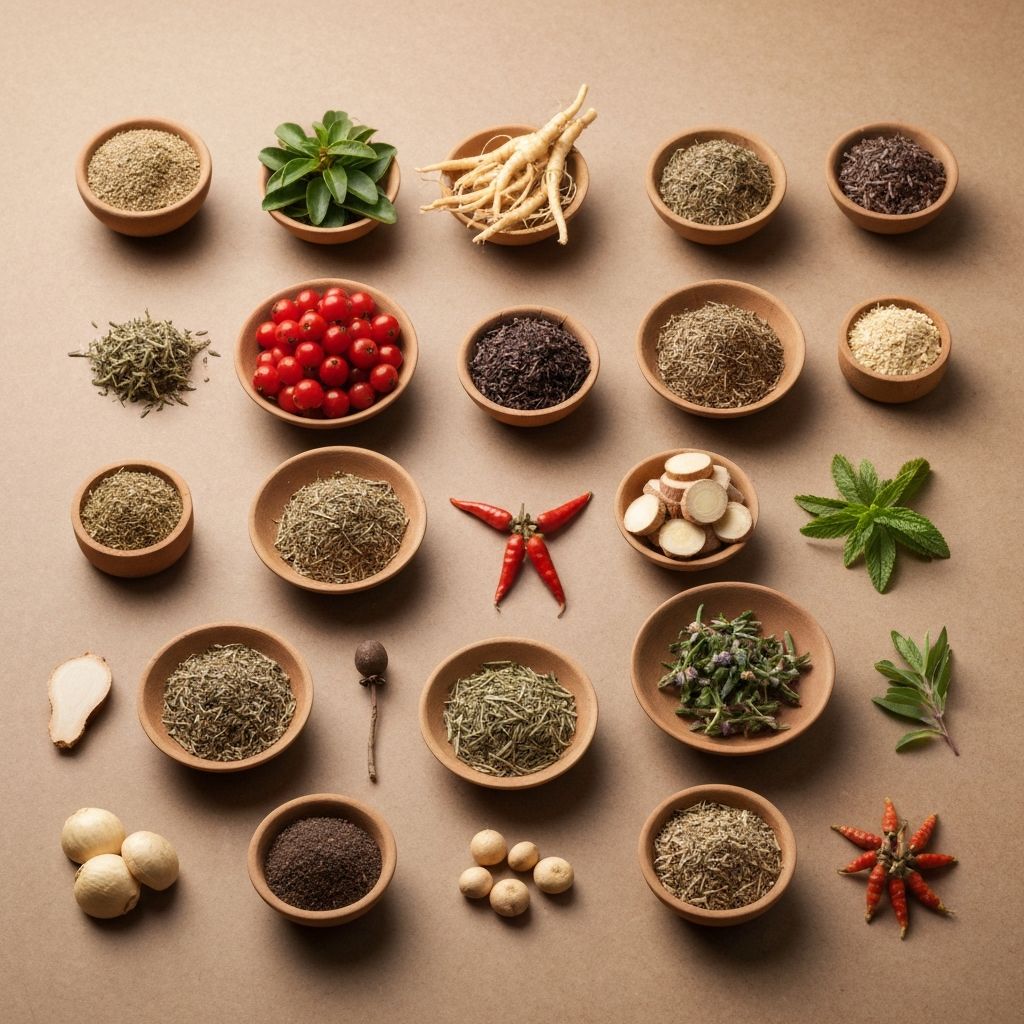
Natural male wellness ingredients

B-Complex Vitamins

B vitamins including B6, B12, and folate play essential roles in energy metabolism, nervous system function, and cognitive performance. These vitamins, found in whole grains, legumes, eggs, and meat, support consistent energy throughout the day and mental clarity.

Fresh organic vegetables and fruits

Mineral Support

Zinc, magnesium, and iron support multiple aspects of male wellness. These minerals found in nuts, seeds, leafy greens, and whole grains support immune function, muscle maintenance, energy production, and circulatory health.

Men engaged in wellness activities

Antioxidants & Phytonutrients

Plant-based antioxidants including vitamins C and E, selenium, and various phytonutrients from colorful vegetables and fruits support cellular health, cardiovascular function, and the body's defense systems.

Cardiovascular Health & Energy

Cardiovascular function is fundamental to vitality, supporting oxygen delivery, nutrient transport, and overall physical capacity. Supporting heart health through natural approaches involves both dietary practices and regular physical activity.

Nutrition for heart health: A diet rich in vegetables, fruits, whole grains, legumes, nuts, and healthy fats supports cardiovascular function. Omega-3 fatty acids from fish or flax seeds, fiber from whole grains and plants, and antioxidants from colorful foods all contribute to cardiovascular support. Limiting processed foods and maintaining adequate potassium intake through whole foods supports healthy blood pressure regulation.

Physical activity for circulation: Regular aerobic activity—walking, running, cycling, or swimming—strengthens the cardiovascular system and improves circulation. Even moderate activity performed consistently provides significant benefits. Combined with strength training to maintain muscle mass, which supports metabolic health, comprehensive movement supports cardiovascular vitality.

Stress management and sleep: Both chronic stress and poor sleep negatively impact cardiovascular function. Implementing stress management practices and prioritizing consistent, quality sleep supports heart health. The interconnection means that improving sleep and stress management provides cardiovascular benefits alongside other wellness improvements.

Muscle Maintenance & Strength

Maintaining muscle mass and strength is central to vitality and functional capacity as men age. Muscle supports metabolism, physical capability, posture, and injury prevention. A comprehensive approach combines resistance exercise with adequate nutrition.

Resistance training: Regular strength training—whether through weights, bodyweight exercises, or resistance bands—maintains muscle mass and supports strength. Training two to three times weekly, focusing on major muscle groups, provides significant benefits. Progressive challenge (gradually increasing resistance or difficulty) is more important than intensity.

Nutritional support: Adequate protein intake supports muscle maintenance. Protein sources including animal products (meat, fish, eggs, dairy) or plant-based options (legumes, tofu, nuts) provide the amino acids necessary for muscle maintenance and recovery. Combined with overall balanced nutrition including adequate carbohydrates and healthy fats, proper protein supports muscle health.

Recovery practices: Adequate rest between workouts, quality sleep, and stress management all support muscle recovery. Taking rest days allows muscles to repair and adapt to training. Sleep quality directly impacts recovery and hormonal regulation supporting muscle maintenance.

Mental Clarity & Cognitive Function

Mental clarity, focus, and cognitive function are essential components of vitality. Supporting brain health involves nutrition, cognitive engagement, sleep, and stress management.

Brain-supporting nutrients: Omega-3 fatty acids, antioxidants, B vitamins, and minerals like magnesium all support cognitive function. These nutrients are found in fatty fish, nuts, seeds, leafy greens, berries, and whole grains. Maintaining consistent blood sugar through balanced meals supports sustained mental clarity.

Cognitive engagement: Engaging in mentally challenging activities—learning new skills, reading, problem-solving, creative pursuits—supports cognitive function and neuroplasticity. Lifelong learning is associated with better cognitive health across the lifespan.

Sleep quality: Sleep is critical for cognitive function, memory consolidation, and mental clarity. During sleep, the brain clears metabolic waste and consolidates learning. Prioritizing consistent sleep schedules and quality sleep environment supports mental performance.

Stress management: Chronic stress impairs cognitive function. Mindfulness practices, regular physical activity, social connection, and time in nature all support stress management and thus cognitive health.

Emotional Resilience & Wellness

Emotional well-being and resilience are integral to vitality, affecting quality of life and overall health. Supporting emotional health involves multiple interconnected practices.

Social connection: Meaningful relationships and social engagement are among the strongest predictors of health and longevity. Investing in friendships, family relationships, and community involvement supports emotional health and overall wellness.

Stress management practices: Regular implementation of stress reduction techniques—meditation, deep breathing, yoga, time in nature—supports emotional resilience. These practices reduce both subjective stress and measurable stress hormones.

Physical activity: Regular movement significantly improves mood and emotional resilience. Exercise supports brain chemistry including endorphin production, reduces anxiety and depression symptoms, and enhances overall emotional well-being.

Purpose and engagement: Engagement in meaningful activities, contributing to something larger than oneself, and pursuing personal interests all support emotional health. Having a sense of purpose is associated with longevity and well-being.

Professional support: When emotional challenges exceed what self-care practices address, consulting with mental health professionals provides valuable support. Seeking professional help when needed is a sign of wellness, not weakness.

Natural Skincare for Men

Skin health reflects and supports overall wellness. A natural skincare approach tailored to men's specific needs emphasizes simplicity, effectiveness, and consistency.

Foundational practices: Gentle cleansing twice daily, consistent moisturizing, and daily sun protection form the essential foundation. These basic practices prevent many skin concerns and support healthy aging better than any specialized treatments.

Natural ingredients: Plant-based skincare ingredients including botanical oils, aloe vera, green tea, and various plant extracts provide effective skin support. These ingredients offer benefits through their nutritional and bioactive properties without unnecessary chemical formulations.

Sun protection: This is arguably the most important anti-aging practice. Daily sun protection prevents sun damage and supports skin health across decades. Modern sunscreens provide effective protection while being easily incorporated into daily routines.

Lifestyle support: Hydration, nutrition supporting skin health, adequate sleep, and stress management all contribute to skin appearance and health from within. Supporting skin health involves both external care and internal wellness practices.

Natural Wellness for Male Vitality

Supporting vitality through the middle years and beyond involves understanding and implementing interconnected practices. Natural compounds provide nutritional foundation, while lifestyle practices including physical activity, sleep, stress management, and social connection create the broader context supporting sustained vitality.

Individual approaches require personalization. What works effectively for one person may need adjustment for another based on genetics, circumstances, preferences, and past experiences. The framework provided here offers an educational foundation for informed personal decision-making.

Explore More Topics Get in Touch

Important Notice: All content on this website is for informational and educational purposes only. It is not intended as medical advice, does not substitute for professional medical consultation, and does not guarantee specific health outcomes. Individual circumstances vary significantly. Always consult with qualified healthcare professionals before making health decisions.